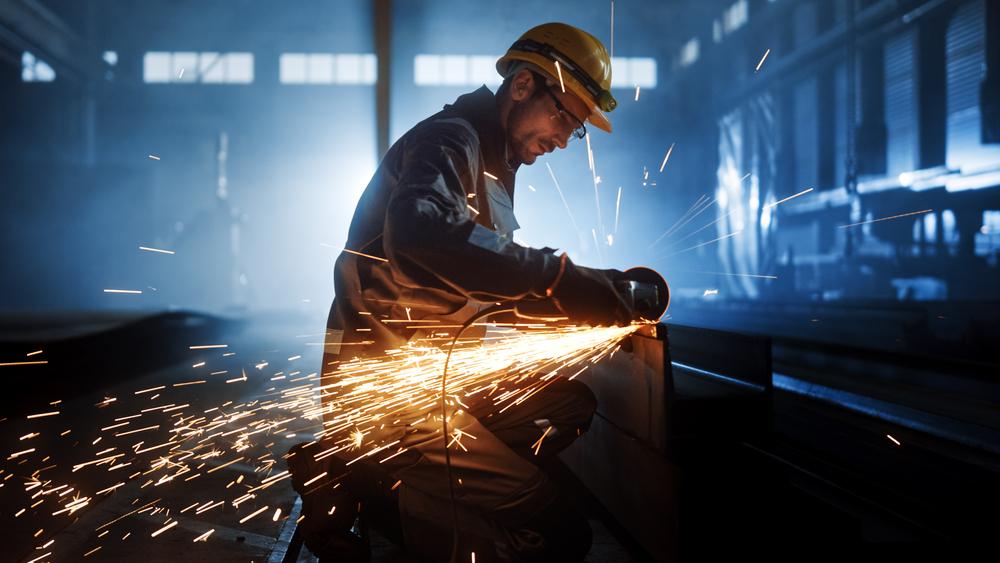
Stainless steel fabrication is a process of cutting, shaping, and assembling stainless steel materials to create different products. This type of metal is known for its durability, corrosion resistance, and aesthetic appeal.
Two commonly used welding techniques in stainless steel fabrication are TIG (Tungsten Inert Gas) welding and MIG (Metal Inert Gas) welding. While both processes use an electric arc to join metals, there are key differences between them.
TIG uses a steady hand:
This method of stainless steel fab uses a tungsten rod that does not melt. You hold a filler rod in your other hand to add metal to the joint. It allows for great control over the heat. This produces very thin and pretty beads. It works best for thin sheets where looks are the top priority.
MIG offers fast results:
This style uses a motor to push wire through a gun. The wire melts and acts as the filler. It is much quicker to finish a long seam this way. People use it for thick parts because it fills gaps fast. It is easy to learn for beginners who want to finish work quickly.
Gas keeps the weld clean:
Both ways use gas to protect the hot metal from the air. Without this gas, the joint would get weak and rusty. One method usually uses pure argon. The other often uses a mix of gases. This shield keeps the surface smooth and prevents black spots from forming on the bright metal.
Precision vs. volume:
One process is like using a fine pen to draw. It takes time but looks perfect. The other is like using a thick marker. It covers a lot of space in a short time. You choose the first for art or food gear. You choose the second for big frames or heavy supports.
Heat control is key:
Stainless steel can warp if it gets too hot. One method lets the user dial in the exact heat needed. This prevents the metal from bending or losing its shape. The other method creates a lot of heat fast. This is fine for thick pieces that can handle the temperature without twisting.
Cleaning after the job:
One way leaves almost no mess behind. You finish the weld and the job is done. The other way can leave small bits of metal splatter. This means you have to spend time grinding or brushing the surface. Picking the cleaner path saves time at the end of the day.