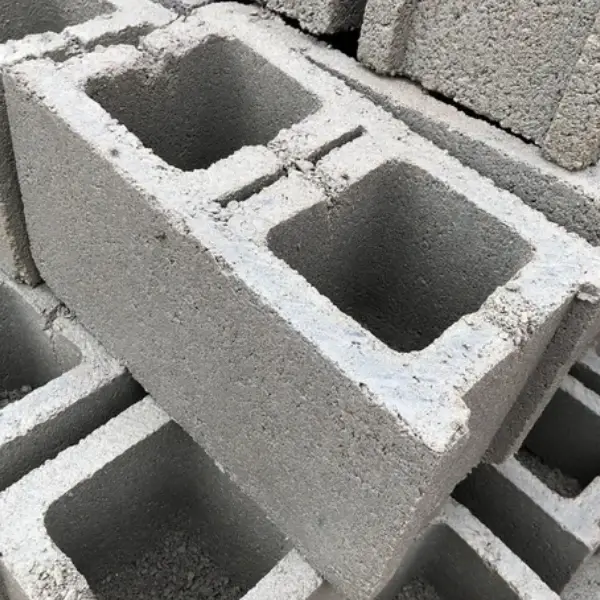
Ground shaking during earthquakes tests building strength to the limit. Hollow blocks offer smart solutions for seismic safety. Their lightweight nature reduces structural load during tremors. Properly reinforced hollow block walls flex rather than crack under stress.
This flexibility saves buildings from collapse. Construction teams source these blocks from a hollow block supplier in Dubai for earthquake-prone projects.
Weight reduction benefits:
Seismic energy correlates with building weight. Heavy walls increase inertia, acting like a pendulum that amplifies ground motion. Using concrete units with internal air cavities lightens the structural frame. Lighter buildings attract lower lateral forces during shaking. This simple reduction keeps stress levels manageable for the primary frame, preventing failures in vertical support members.
Material consistency:
Uniformity remains critical. Factory-made units offer predictable strength profiles. Each unit carries calculated loads accurately. When arranged correctly, these blocks form a grid that distributes stress evenly across the wall area. This balance prevents weak spots where cracks usually form during vibrations. Predictable performance allows engineers to design precise reinforcement paths.
Ductility and reinforcement:
These concrete units act as channels for steel bars. Vertical and horizontal rebar grids pass inside the voids, connecting the wall to foundations and roof beams. This creates a reinforced cage. Steel provides tensile strength while the concrete handles compression. Such a combination allows walls to sway slightly during tremors without collapsing. Flexibility prevents brittle failure, giving inhabitants time to react.
Fire resistance properties:
Safety during disasters includes protection from secondary hazards like heat. Concrete naturally resists fire. The hollow sections also act as thermal barriers. These air gaps slow down heat transfer, protecting internal structural steel from softening. Maintaining steel integrity keeps the building stable even if heat levels rise after tremors.
Wall stability and alignment:
Precise shapes allow for straight, plumb walls. Misaligned walls create eccentric loads that cause twisting during vibrations. Twisting puts extra stress on corners, leading to localized collapse. Correctly manufactured units ensure walls stay flat and true. A vertical, balanced wall transfers gravity loads directly into the footing, keeping the center of mass centered.
Cost-effective seismic safety:
High-end engineering usually costs plenty. However, these blocks provide a budget-friendly solution for sturdy construction. They are fast to install, reducing labor time significantly. Less time spent on site lowers project expenses. Combining speed with structural safety makes this choice ideal for regions prone to tremors.